

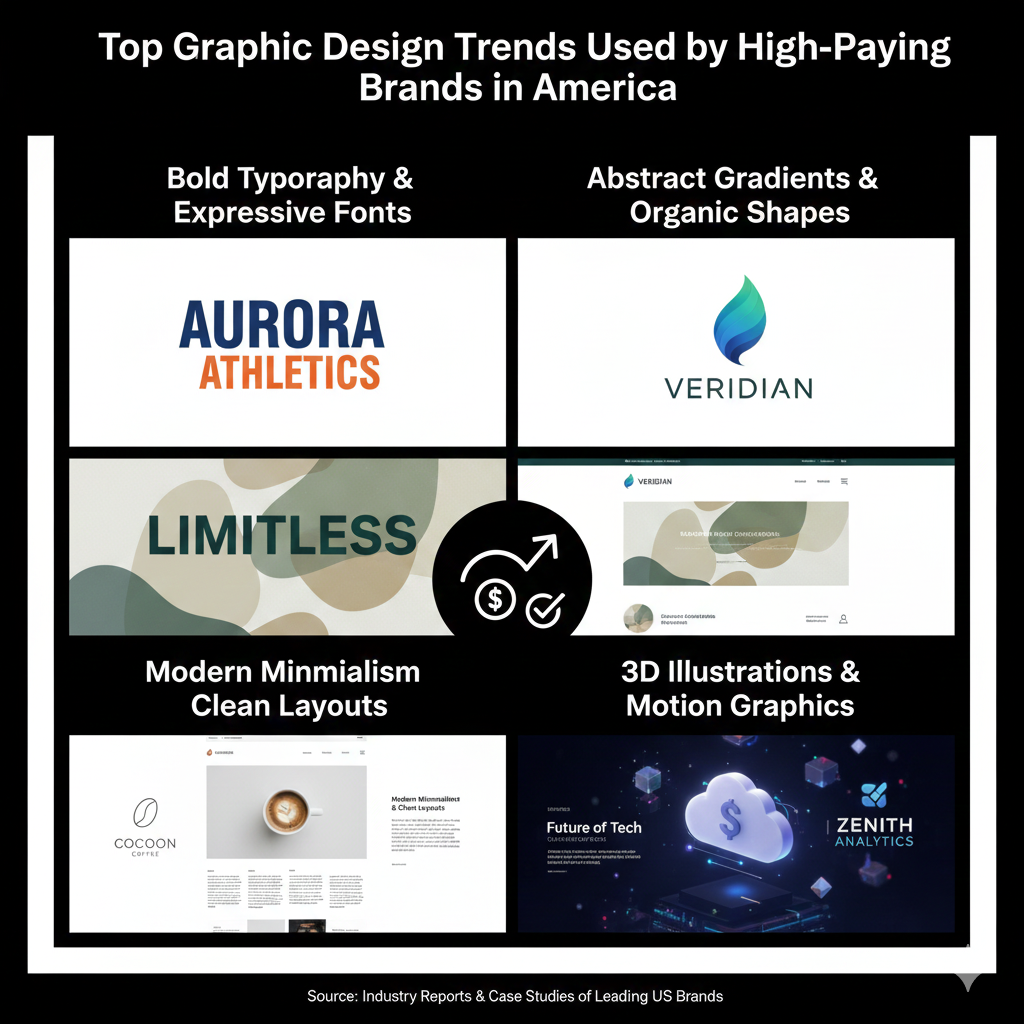
In the United States, high-paying brands don’t follow design trends for the sake of being fashionable — they adopt trends that strengthen perception, trust, and long-term brand value. In 2026, graphic design has become more strategic than ever, blending creativity with psychology, technology, and business performance. Here are the key graphic design trends top American brands are using to stay competitive, premium, and profitable.
1. Minimalism with Strategic Depth
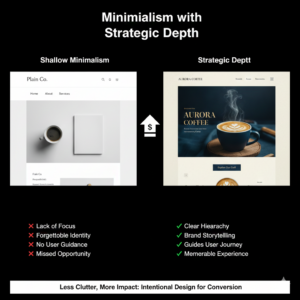
Minimalism is no longer about empty space alone. Leading brands are using intentional minimalism — clean layouts supported by strong typography, subtle textures, and refined color systems. This approach improves clarity, reduces cognitive load, and positions brands as confident and modern.
High-paying brands favor simplicity because it scales well across platforms while maintaining a premium feel.
2. Custom Typography as Brand Identity
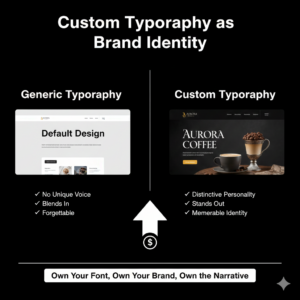
Instead of relying on common fonts, top brands invest in custom or modified typefaces. Typography has become a primary brand asset, not just a supporting element. Unique letterforms help brands stand out instantly while reinforcing personality and tone.
From tech companies to luxury retailers, typography is now doing the heavy lifting in visual identity systems.
3. Motion Design and Micro-Animations
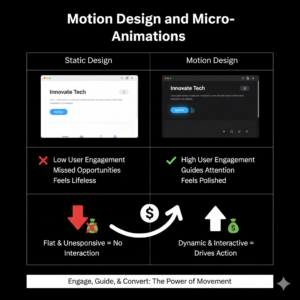
Static design is giving way to subtle movement. High-end brands use micro-animations in websites, apps, and digital ads to guide attention and improve user experience. These animations are never distracting — they are purposeful, smooth, and intuitive.
Motion design helps brands feel alive, polished, and technologically forward.
4. Authentic Visual Storytelling
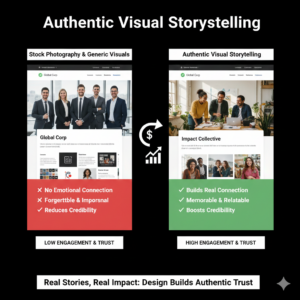
Stock imagery is being replaced by custom photography, illustrations, and real human visuals. High-paying brands understand that authenticity builds trust. Design now supports storytelling by showing real people, real processes, and real moments that align with brand values.
This shift creates emotional connection and strengthens credibility in digital marketing.
5. Bold Color Systems with Meaning
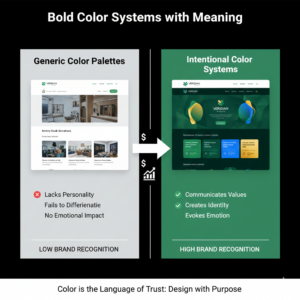
Color is being used more strategically than ever. Instead of random bold palettes, premium brands develop structured color systems that work across digital, print, and motion. These colors are tied closely to brand psychology and audience perception.
High-contrast combinations and confident color usage help brands dominate attention without looking chaotic.
6. Design Systems Over One-Off Designs
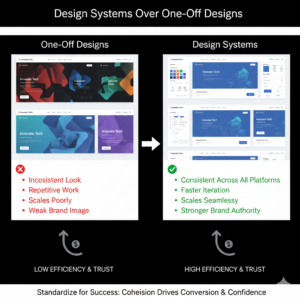
Consistency is a priority for big brands. Rather than isolated designs, companies invest in scalable design systems that define layout rules, typography, spacing, and visual components. This approach ensures brand consistency across teams, platforms, and markets.
Design systems reduce production time while protecting brand integrity.
7. AI-Assisted Design with Human Control
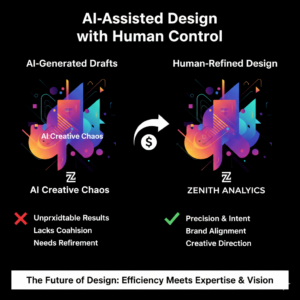
Top American brands use AI as a support tool, not a replacement for creativity. AI helps speed up iterations, generate concepts, or analyze performance, while final decisions remain human-led. The result is faster workflows without sacrificing originality or quality.
Brands that balance automation with creative direction gain efficiency without losing authenticity.
8. Purpose-Driven and Inclusive Design
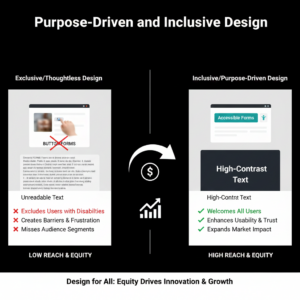
Diversity and inclusion are no longer optional. High-paying brands reflect inclusive values through thoughtful visual representation, accessible typography, and culturally aware design choices. This trend strengthens brand trust and aligns companies with modern consumer expectations.
Design now communicates values just as much as it communicates products.
Final Thoughts
Graphic design at the highest level is no longer decoration — it’s a strategic business tool. The brands that pay the most for design are the ones that understand its power to influence perception, loyalty, and long-term growth. By adopting these trends thoughtfully, brands don’t just look better — they perform better.