

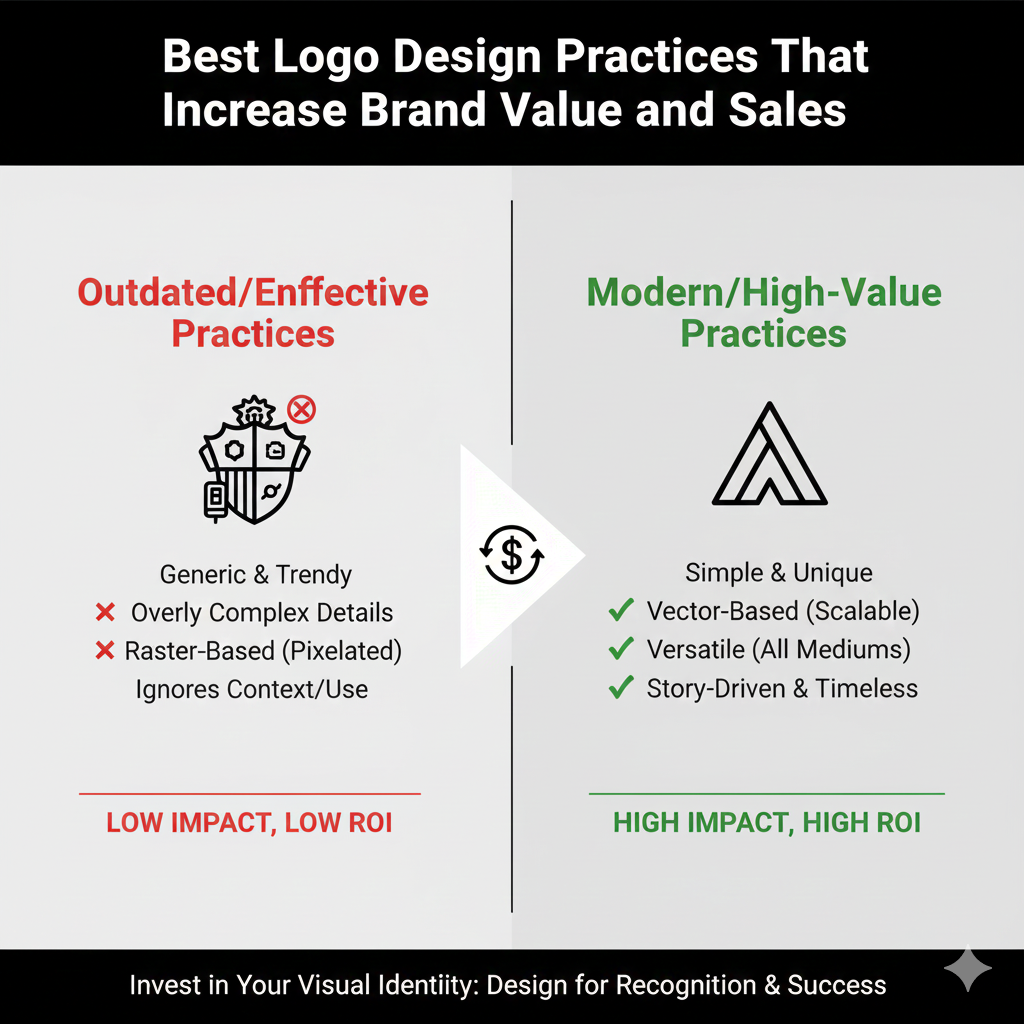
A logo is more than a visual symbol — it’s often the first handshake between a brand and its audience. In competitive markets, especially in digital spaces, a well-designed logo can elevate brand perception, build trust, and directly influence purchasing decisions. High-performing brands don’t treat logo design as decoration; they treat it as a strategic business asset.
Below are the most effective logo design practices that consistently increase brand value and drive sales.
1. Keep It Simple, Not Generic
Simplicity is powerful when it’s intentional. The most successful logos are easy to recognize, easy to remember, and easy to reproduce across platforms. Simple logos load faster online, scale better on mobile devices, and remain clear in small sizes.
However, simplicity should never mean generic. Strong logos strip away clutter while preserving a unique visual idea that distinguishes the brand from competitors.
2. Design for Scalability Across All Touchpoints
Modern brands live everywhere — websites, apps, packaging, social media, ads, and physical products. A logo must perform consistently across all these environments.
Professional logo design considers:
-
Small-screen readability
-
Black-and-white and monochrome usage
-
Digital and print adaptability
Logos that fail to scale create friction, weaken brand recognition, and reduce perceived professionalism.
3. Use Typography to Communicate Personality
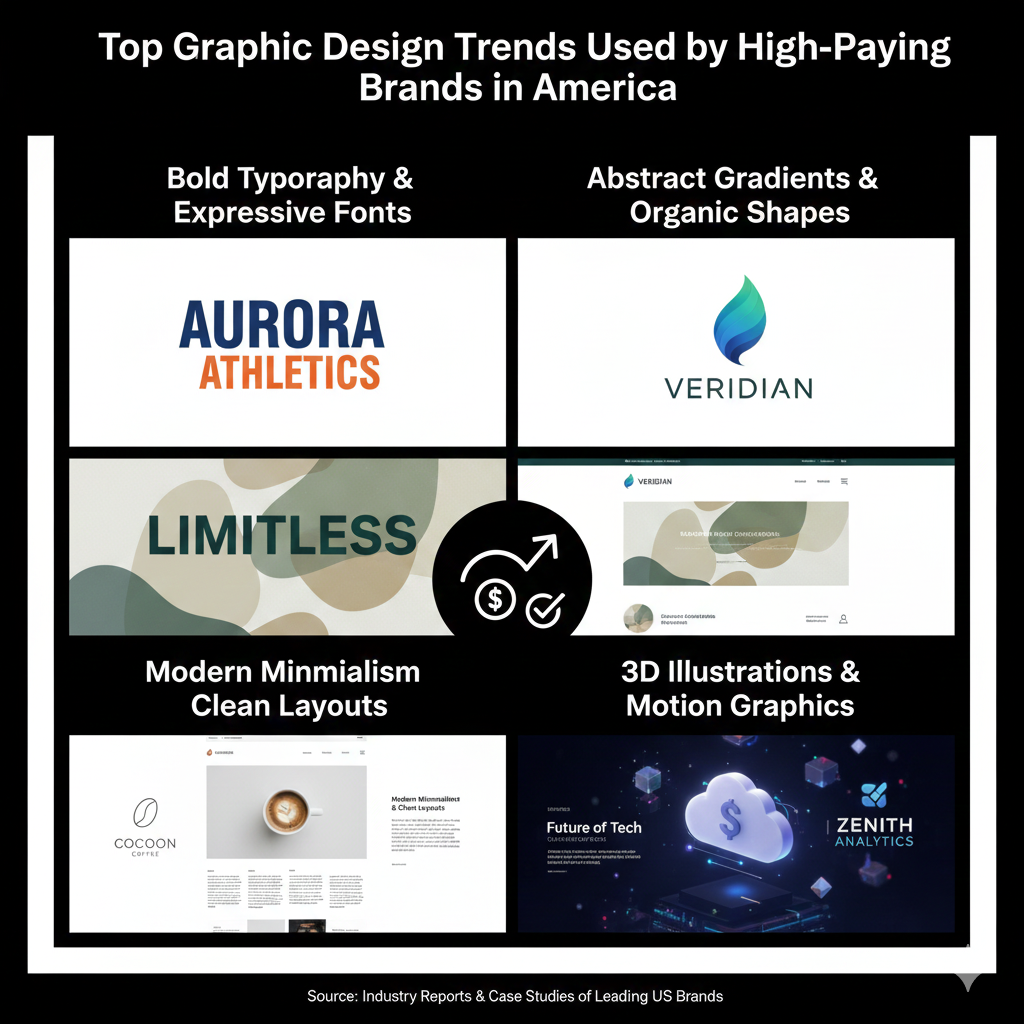
Typography is not neutral. The shape, weight, and spacing of letters subtly communicate tone and values. High-value brands carefully select or customize typography to match their positioning — whether that’s bold and modern, elegant and premium, or friendly and accessible.
Custom or modified typefaces often increase brand memorability and set companies apart in crowded markets.
4. Choose Colors with Psychological Intent
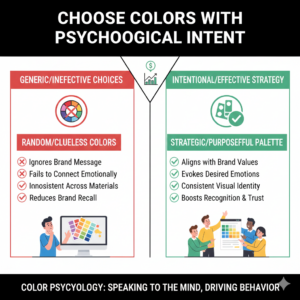
Color directly affects emotion and perception. Strategic logo design uses color psychology to reinforce brand messaging and influence buyer behavior.
For example:
-
Blue suggests trust and reliability
-
Black signals luxury and authority
-
Green communicates growth and sustainability
Successful logos use limited, controlled color palettes that remain consistent across all brand materials.
5. Align the Logo with Brand Strategy
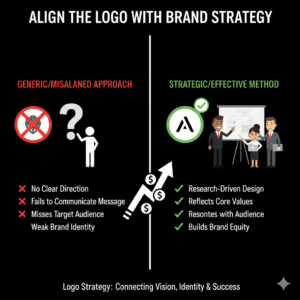
A logo should reflect who the brand is and who it serves. Design decisions must align with target audience, industry positioning, and long-term goals.
High-performing logos are grounded in research — not personal taste. When a logo matches brand strategy, it feels authentic, credible, and trustworthy to customers.
6. Prioritize Timelessness Over Trends
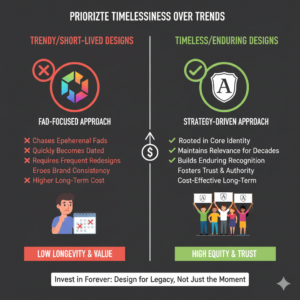
Trendy logos may look exciting today but often age quickly. Brands that grow long-term value focus on timeless design principles rather than short-lived aesthetics.
Timeless logos reduce the need for frequent redesigns, preserve brand equity, and maintain recognition over years — which ultimately supports consistent sales performance.
7. Ensure Consistency Through Clear Guidelines
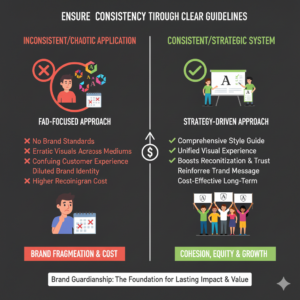
A strong logo only works if it’s used correctly. Professional brands create logo usage guidelines covering spacing, colors, background rules, and incorrect applications.
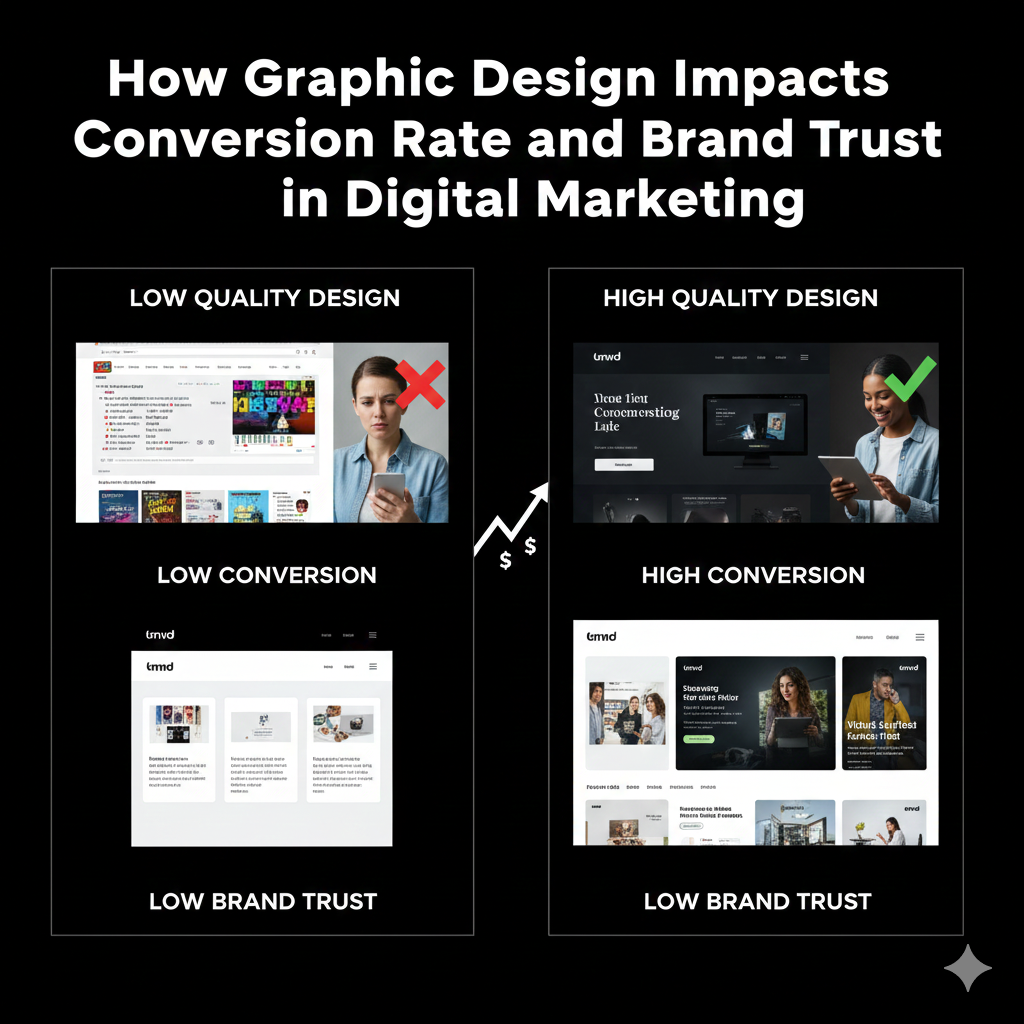
Consistency reinforces recognition, builds familiarity, and increases trust — all key drivers of conversion and repeat purchases.
Final Thoughts
A great logo doesn’t just look good — it works hard for the business. When designed with clarity, strategy, and purpose, a logo becomes a powerful tool that builds trust, increases perceived value, and supports long-term sales growth.
Brands that invest in professional logo design aren’t spending money — they’re building equity.